Hashtags

Social Media and Election Debates

Second-­screening has become a crucial aspect of all debates this election, and shows no signs of slowing.

With the initial debate this election, Maclean’s ran the hashtag #MacDebate in addition to hosting a panel of journalists and pundits and throwing questions out to the crowd on social media.

So how do you and your organization break through the noise?

The best thing to do is orchestrate a “hashtag hijack.” Immediately preceding, proceeding or during the debate, mobilize all of your members to begin tweeting a single hashtag while also including the handle of the organization hosting the event.

Continue reading

Reaching millennials

Finding the Millennials in the Election

Amidst the conversations of the role social media will play this election, a number of emerging platforms have been largely ignored. We’ve already written about theparties’ poor efforts to connect with students on traditional media, but how about on the online spaces millennials actually enjoy? While all of the leaders are active on Facebook and Twitter, millennials are increasingly joining online spaces where their parents don’t quite “get it.”

According to a 2015 study by Forum Research, 32% of Canadians aged 18-32 are on Instagram. Among leaders? Only Justin Trudeau and Stephen Harper have accounts, and neither are particularly good at it – both simply re-hash content from their Facebook profiles.

Continue reading

Third-party advertising

Social Media and Third-Party Advertising

As more groups turn to social media to reach large audiences fast, Canada’s election advertising laws scramble to remain as relevant as possible.

The world of third-party advertising can be a bit tricky, but there is one rule that should guide all efforts: any time you are paying to have something appear, you should assume it’s third-party advertising.

That means ads in newspapers, on television, broadcast on the radio or banner ads on websites all count as election advertising and need to be accounted for.

But how about on social media, the wild west of elections advertising?

Continue reading

Twibbon campaigns

Using Twibbons to Garner Online Support

One of the greatest social media tools over the past six years has been the Twibbon. Since its appearance in 2009, the Twibbon has played an enormous role in social media advocacy campaigns of all shapes and sizes. This election, expect to see an example of a Twibbon coming to a friend or family member near you!

Twibbons are, at their most basic, a visual graphic that appears across the profile photo of Facebook and Twitter users. Depending on the industry, that could range from #CdnAg to something like “I Voted for Health Care.”

While some critics have written off Twibbons as forms of “slacktivism,” they remain an important part of any communications effort. Particularly as the userbase of Facebook ages, Twibbons offer an exceptional opportunity to build awareness, engagement and encourage action among target audiences for all groups.
Plus, with some design and messaging work, Twibbons can be set up quickly and easily. Contact MediaStyle for more information.

A troll under a Seattle bridge

“We Do Not Negotiate With Trolls,” Pt. 2 – Preparation

Last month, we talked about the best way to respond to negative criticism online. However, that post was all about the reactive – about turning around negative publicity and knowing how to respond.

This week we’ll talk about the importance of preparing ahead of time so your responses are ready to go.

Audit your organization

It might be uncomfortable, but the first thing you want to do is conduct an audit of what issues your organization may be criticised on. This can be done internally, but having an outside agency do it can help round it out and ensure it is more complete (and that you don’t cross anything off the list that you don’t deem “important” enough).

Once you have identified the topics that leave you more vulnerable for online backlash, develop a “Dirty 30.” Simply put, this document should list the 30 negative questions you would most likely be asked to comment on or criticized for.

Continue reading

Trolls online

“We Do Not Negotiate With Trolls”, Pt. 1

Even though you don’t have to pay a toll to get onto social media, trolls still abound.

They sit on Twitter and Facebook waiting to pounce on unsuspecting brands, organizations and individuals. In truth, they can be scary. Their methods range from posting negative comments about your group to flooding your Facebook wall with graphic, inappropriate content in an attempt to get you to take it down.

It can seem overwhelming, but there are ways to navigate the – at times – rough terrain that trolls thrive in.

For detailed steps to take when responding to negative criticism, read on!

Continue reading

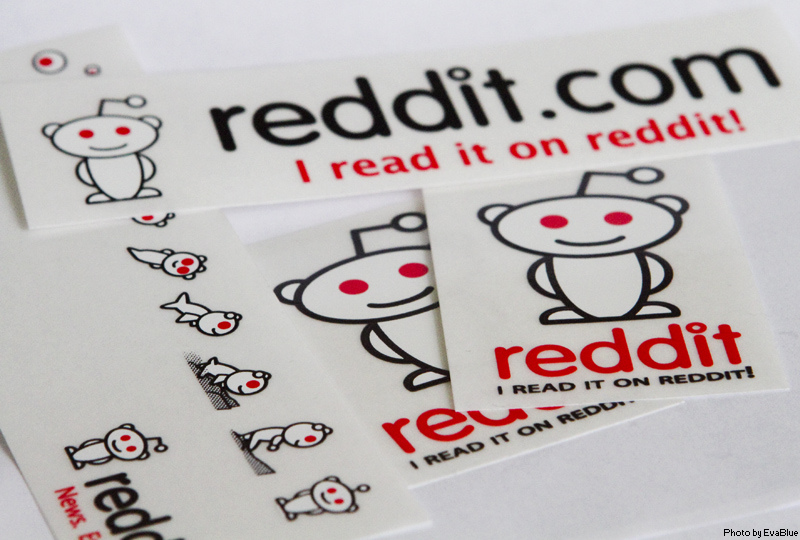
Reddit alien stickers

Preparing for the Political AMA: Six Strategies for Success

As the federal election draws closer, political candidates across the country are busy developing detailed strategies for communications and media outreach. Increasingly, politicians are turning to reddit and participating in Ask Me Anythings, better known as AMAs.

The platform makes sense. Last year alone, reddit had:

  • Over 71 billion pageviews.
  • 174 million monthly unique visitors
  • 55 million submissions
  • Over 3.5 million users logged in daily
  • Canada has the second most pageviews per capita in the world (Iceland is #1)

Continue reading